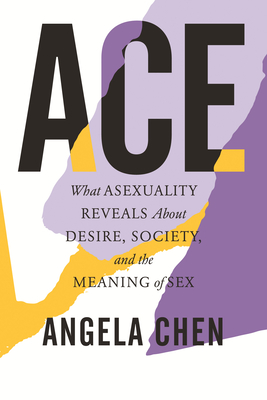
An engaging exploration of what it means to be asexual in a world that’s obsessed with sexual attraction, and what the ace perspective can teach all of us about desire and identity.
What exactly is sexual attraction and what is it like to go through life not experiencing it? What does asexuality reveal about gender roles, about romance and consent, and the pressures of society? This accessible examination of asexuality shows that the issues that aces face—confusion around sexual activity, the intersection of sexuality and identity, navigating different needs in relationships—are the same conflicts that nearly all of us will experience. Through a blend of reporting, cultural criticism, and memoir, Ace addresses the misconceptions around the “A” of LGBTQIA and invites everyone to rethink pleasure and intimacy.
Journalist Angela Chen creates her path to understanding her own asexuality with the perspectives of a diverse group of asexual people. Vulnerable and …
An engaging exploration of what it means to be asexual in a world that’s obsessed with sexual attraction, and what the ace perspective can teach all of us about desire and identity.
What exactly is sexual attraction and what is it like to go through life not experiencing it? What does asexuality reveal about gender roles, about romance and consent, and the pressures of society? This accessible examination of asexuality shows that the issues that aces face—confusion around sexual activity, the intersection of sexuality and identity, navigating different needs in relationships—are the same conflicts that nearly all of us will experience. Through a blend of reporting, cultural criticism, and memoir, Ace addresses the misconceptions around the “A” of LGBTQIA and invites everyone to rethink pleasure and intimacy.
Journalist Angela Chen creates her path to understanding her own asexuality with the perspectives of a diverse group of asexual people. Vulnerable and honest, these stories include a woman who had blood tests done because she was convinced that “not wanting sex” was a sign of serious illness, and a man who grew up in a religious household and did everything “right,” only to realize after marriage that his experience of sexuality had never been the same as that of others. Disabled aces, aces of color, gender-nonconforming aces, and aces who both do and don’t want romantic relationships all share their experiences navigating a society in which a lack of sexual attraction is considered abnormal. Chen’s careful cultural analysis explores how societal norms limit understanding of sex and relationships and celebrates the breadth of sexuality and queerness.
Though this book was quite obvious to me, it does feel like something that needs to be said more often. Compulsory sexuality (and even more so, compulsory heterosexuality) takes up so much space in our lives that it causes a lot of us to feel broken for far longer than we ought to (which we shouldn't feel in the first place).
It did feel nice to finally read people having the same thoughts as me: That eating cake is better than sex, that there are so many things I'd rather do than have sex... And just people who had similar thoughts when growing up and didn't know what to do with it. In some regards, I feel seen. In others, this feels distinctly bougie (which the author acknowledges).
Ho scoperto questo libro da alcuni post nel fediverso e letto inizialmente una traduzione del capitolo In sickness and in health, che tratta dei rapporti tra asessualità e disabilità, sul blog del collettivo Carrodibuoi. Purtroppo non esiste ancora una traduzione in italiano.
Fra i libri sull’asessualità è quello che mi ha colpito di più. Idealmente si pone a metà strada tra i saggi accademici che ho letto su quel tema, testi a volte illuminanti ma spesso troppo impersonali, e le raccolte di storie vissute da membri della comunità, in cui potevo trovare qualcosa in cui riconoscermi, questo è certo, ma spesso mi lasciavano confuso per la quantità di esperienze diverse che trovavo.
Credo che il libro abbia tre scopi. Il primo, naturalmente, è descrivere l’asessualità a qualcuno che non conosce l’argomento, sia che il suo sia un interesse personale sia che sia spinto dalla semplice curiosità. Il secondo è evitare …
Ho scoperto questo libro da alcuni post nel fediverso e letto inizialmente una traduzione del capitolo In sickness and in health, che tratta dei rapporti tra asessualità e disabilità, sul blog del collettivo Carrodibuoi. Purtroppo non esiste ancora una traduzione in italiano.
Fra i libri sull’asessualità è quello che mi ha colpito di più. Idealmente si pone a metà strada tra i saggi accademici che ho letto su quel tema, testi a volte illuminanti ma spesso troppo impersonali, e le raccolte di storie vissute da membri della comunità, in cui potevo trovare qualcosa in cui riconoscermi, questo è certo, ma spesso mi lasciavano confuso per la quantità di esperienze diverse che trovavo.
Credo che il libro abbia tre scopi. Il primo, naturalmente, è descrivere l’asessualità a qualcuno che non conosce l’argomento, sia che il suo sia un interesse personale sia che sia spinto dalla semplice curiosità. Il secondo è evitare di trattare l’asessualità come un qualcosa di isolato, ma descrivere tutte le interazioni che questa può avere con altre categorie che utilizziamo per giudicare il mondo, come la disabilità o l’appartenenza a una minoranza etnica, avendo una visione del fenomeno il più possibile varia. Ognuno degli undici capitoli del libro tratta un argomento, e lo fa di solito prendendo come filo il vissuto di uno degli intervistati o un racconto personale dell’autrice. I punti di svolta del racconto e i dubbi dei personaggi danno lo spunto per approfondirne i concetti, portare ad esempio ulteriori storie, parlare dei dibattiti tuttora in corso sull’argomento. Concetti, dati, l’esperienza personale dell’autrice e quelle delle decine di persone che intervista sono inseriti in un discorso coerente che riesce a toccare molti temi diversi senza diventare caotico o didascalico.
Il terzo scopo, quello dichiarato dal titolo, è partire dall’insieme di esperienze diverse che l’autrice raccoglie per capire qualcosa di più generale sul mondo in cui viviamo. Questo è sicuramente ciò che mi ha fatto apprezzare più il libro: il fatto che per quanto le storie degli intervistati potessero essere diverse dalla mia, le loro testimonianze avevano comunque qualcosa di personale da dirmi sulle maniere in cui sino a quel momento avevo guardato me stesso e gli altri.